
Build a Current Charles City Owner Record From Two Sources
Charles City property records split this work between two offices. The Commissioner of the Revenue keeps the assessment and land-book side. The Circuit Court Clerk records deeds. The online owner field and any roll lag are not fixed. So treat any checklist as a question list. Ask the assessment office which field and date are current. Then match the name and parcel to the latest recorded conveyance.
| Land-book owner | Confirm the exact owner-of-record label and roll date with the Commissioner. |
|---|---|
| Grantee / vesting | Read the grantee and any tenancy or entity language in the latest deed. |
| Mailing address | Address for county notices; it may be separate from the site. |
| Situs location | Physical property location used to match the parcel and description. |
| Recording reference | Date and book, page or other Clerk reference for the conveyance. |
| Effective date | Compare the deed's execution and recording dates with the assessment update. |
An owner of record is simply a name in a particular public record. It says nothing about who occupies or manages the property. Mailing information serves county notices. It may be protected or withheld, so it is not an invitation to contact someone. Keep any current owner inquiry focused on verifying the property record itself.
Confirm the Current Charles City Owner Against the Latest Deed
An assessment entry helps, but a recently recorded conveyance can outrun the roll. Pull the latest deed using the exact name and parcel description. Then compare grantor, grantee, recording date, and legal description. A mismatch deserves a direct question. Ask the Commissioner and the Clerk. One record may simply await update, or the deed may actually describe a different tract.
- Ask the Commissioner of the Revenue for the current land-book owner field and update date.
- Search the latest Charles City deed entry for the same owner and parcel description.
- Compare the conveyance date, grantee name and recorded reference with the assessment entry.
- Ask the Clerk or Commissioner to explain a timing or description mismatch.
- Owner of record
- The name shown in the county's assessment record for the parcel.
- Vesting
- The way the deed states the grantee holds the conveyed interest.
- Registered agent
- A contact named in a business filing, not necessarily an owner or occupant.
Know What a Charles City Owner-of-Record Entry Means
A current owner record names the party tied to the parcel in the county's books. That party may be an individual, company, trust, or estate. It does not tell you who lives there. It does not show who holds keys, manages the land, or holds a beneficial interest behind an entity. Stay at the level of recorded ownership, and verify the name in the latest deed.
Respect privacy. Use a Charles City owner-of-record entry to verify a property transaction or public record. It does not identify an occupant or authorize unwanted contact, targeting or harassment.
Ask When the Charles City Assessment Roll Was Updated
Charles City publishes no set parcel-card update schedule. The assessor's owner-field label is not fixed. A deed recorded recently can be newer than the assessment information. Ask the Commissioner of the Revenue for the land-book entry date. Also ask which field the county uses for the owner of record. Keep that answer with the parcel key and legal description. County budget material points to reassessment activity during the FY2027 planning period. That still sets no parcel's update date. Confirm whether a shown value is a general assessment or a separate use value. Do not assume the map's last update matches the land-book update. The GIS hub is the public entry point for map and reassessment resources. The Commissioner remains the source for the assessment record itself.
Read an Entity Name in the Current Charles City Deed
When the grantee is an LLC or corporation, the deed names the legal party receiving the interest. The Virginia SCC Clerk's Information System shows business filings and entity information. A registered agent, though, is not necessarily a beneficial owner or occupant. Match the exact entity name and filing context. Then return to the recorded deed for the land description. A trust or estate may appear under its formal name or through a fiduciary. Check the instrument's authority. Check any court or estate references if the transaction depends on it. An entity filing never substitutes for the property's recorded chain of title. Use the official Virginia SCC entity-search system for business filings. Its public landing page displays the statewide entity database.
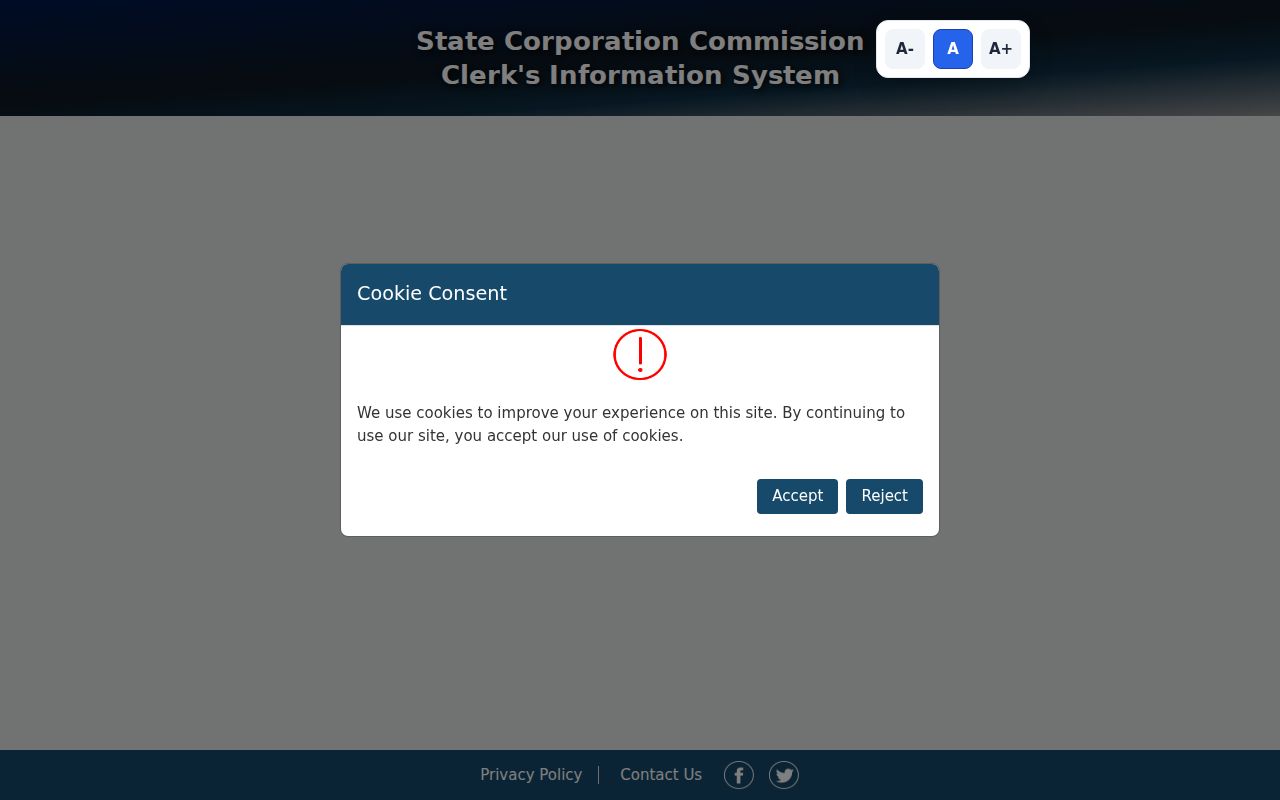
Entity data can explain a grantee name. It cannot replace the Charles City deed that conveys the parcel.
Confirm a Newly Recorded Charles City Transfer at the Clerk
The Clerk of the Circuit Court records deeds and other instruments affecting title. The office sits at 10780 Courthouse Road, P.O. Box 86, Charles City, VA 23030. Its page lists 8:30 a.m. to 4:30 p.m. hours and a 4:00 p.m. recording cutoff. Those details make the local Clerk the direct source when an assessment entry looks older than a transfer. They also matter when an index image will not open. Have the grantor, grantee, approximate date, legal description, and any book or instrument reference ready. Statewide SRA information distinguishes index access from subscriber or locally arranged image access. The office publishes no fee schedule online. So confirm the current Charles City procedure and copy fee with the Clerk directly. The official Charles City Circuit Court page lists local contact information.
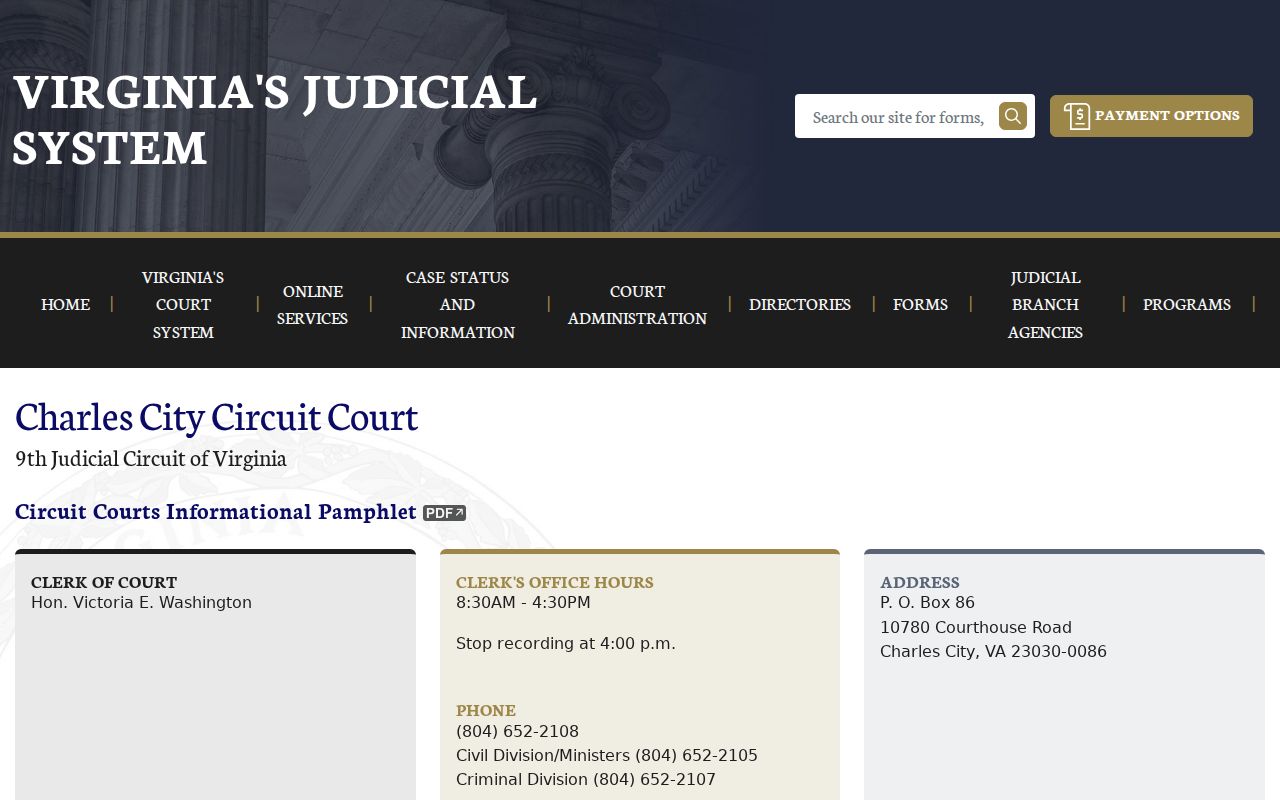
Always ask the Clerk first. A newly submitted instrument is not the latest public deed until the office confirms it has been recorded.
Keep the Charles City Situs and Mailing Addresses Apart
A situs address describes the land itself. The mailing address tells the county where to send a tax bill or notice. A rural tract may carry a road description that reads nothing like its postal label. An owner of record may live in another state. That distant home can serve as the mailing address. Neither the situs nor the mailing address counts as the legal description. Never treat a notice address as proof that anyone occupies the parcel.
Virginia runs an Address Confidentiality Program. It can shield qualifying residence details behind a substitute address. A blank field on a public record may reflect that protection. It may also reflect a limited public display. Verify the ownership record through official channels. Respect any protected address information that comes with it.
Request an Existing Charles City Owner Record
The county map may hide the owner field. Call the Commissioner of the Revenue in that case. Ask for the land-book record and its date. Some documents are not posted online. The county FOIA page lists request methods for those, and it sets a five-working-day response rule. Name the parcel, the record type, and the date range. The request should seek an existing record. Do not ask the county to decide who legally owns the land.
Remember that the two offices split the work. The Circuit Court Clerk holds the recorded deed, while the Commissioner keeps assessment ownership data. When they disagree, ask each office about recording and update timing. A title professional can review the chain. That step helps if the owner of record must be settled for a purchase or a legal matter. Use the county FOIA request page for request channels.
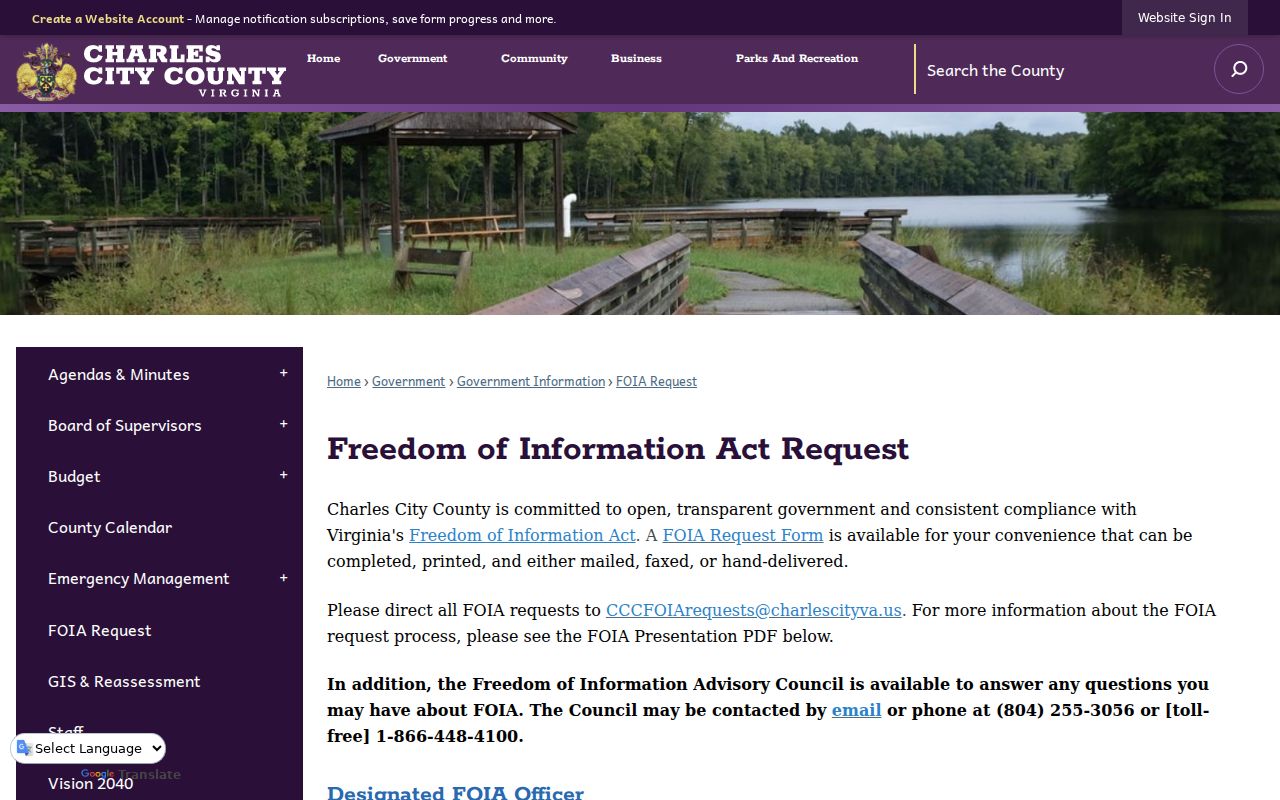
Note: Keep the county's response date and any records provided with the ownership notes for the parcel.